

Non-Alcoholic Mocktail Innovations and Recipes
Contemporary non-alcoholic mocktails differ from soft drinks by layering complex flavors and textures using culinary techniques. Many use house-made syrups, fresh herbs, or rare botanicals instead of relying on high-sugar sodas. A standard glass contains about 120 to 180 milliliters, but some recipes reach 250 milliliters when ice is added. While most mocktails keep sugar below 15 grams per serving, some pair tangy acids with natural sweeteners to balance the taste. Creative bartenders now turn to innovative elements such as clarified juices and smoked infusions:
- Clarified juice – fruit juice filtered to remove pulp and cloudiness, resulting in a silky texture and vibrant color.
- Smoked infusion – herbs or fruits exposed to smoke, imparting earthy or woody notes into the drink.
- Shrub syrup – a blend of vinegar, fruit, and sugar for tartness and depth, often used in small amounts.
- Aquafaba foam – chickpea water whipped into a froth to mimic the mouthfeel of egg whites in sours.
These techniques challenge the limits of what a non-alcoholic drink can deliver, shifting expectations away from sweetness and toward complexity. The result is a category that appeals to those seeking a sophisticated alternative to both alcohol and traditional soft drinks.
Why mocktails are more than juice blends
Most so-called mocktails fail to impress when they are just juice poured over ice or soda from a can. True non-alcoholic cocktails achieve depth through intentional layering and technique. Distinct features set advanced recipes apart from simple blends:
- Flavor complexity – multiple ingredients that build aroma and taste in stages
- Garnish and presentation – fresh herbs, edible flowers or creative glassware
- Homemade syrups – infusions or reductions that add signature notes
- Balance – careful control of sweetness, acidity, and bitterness
- Texture – shaken, muddled, or carbonated elements for mouthfeel
A drink with fewer than three main components rarely delivers this level of complexity. Adding a house-made syrup or a fresh herb often transforms a basic mix into a crafted experience.
How mixologists create unique mocktail flavors
Herbal infusions, smoked spices, and house-made syrups now shape the mocktail landscape in top bars. These techniques allow mixologists to evoke complexity usually reserved for spirits, resulting in drinks with layered aromas and unexpected depth. Unconventional pairings push boundaries and attract those searching for bold new tastes.
Infusing flavors without alcohol
A mocktail that mimics the complexity of a spirit-driven drink often depends on layered flavors. Mixologists rely on culinary techniques to coax out depth and aroma without using alcohol.
Herb infusions, like rosemary in pineapple juice, create a base with more structure than simple juice blends. Some bars use tea as their main liquid, steeping spices like star anise or ginger for warmth and bitterness.
Shrubs–vinegar-based syrups with fruit or herbs–bring acidity and tang, balancing sweetness and adding length. A blackberry shrub with basil syrup highlights how acidity and herbal notes can replace the bite of gin or rum.
A mocktail built only from juice and soda often tastes flat or thin alongside a crafted cocktail. Time spent on infusions and shrubs delivers complexity that stands up in a glass.
Inspiration from global cuisines
Tamarind and yuzu have appeared on mocktail menus where citrus once dominated. Quick adoption from culinary trends means new ingredients can take hold in months, not years, changing the flavor landscape rapidly.
| Ingredient Origin | Signature Ingredient | Pairing Technique | Mocktail Example |
|---|---|---|---|
| South Asia | Tamarind pulp | Salted and spiced rim | Tamarind spritz with ginger and lime |
| Japan | Yuzu juice | Citrus blend with green tea | Yuzu green tea fizz |
| Mexico | Hibiscus flower | Steeped with cinnamon | Hibiscus agua fresca with chili |
| Eastern Mediterranean | Pomegranate molasses | Balanced with mint and orange blossom | Pomegranate sour with muddled mint |
| Nordic region | Cloudberry purée | Layered with elderflower | Cloudberry elderflower cooler |
Overlooking regional ingredient profiles leads to repetitive, uninspired menus. Rotation of new elements from different food cultures brings fresh attention and wider appeal.
Creative mocktails rely on inventive culinary techniques and thoughtfully sourced ingredients to deliver a memorable experience. Small changes in preparation or ingredient choice often transform a basic drink into something distinctive and surprising.
What makes a mocktail recipe stand out
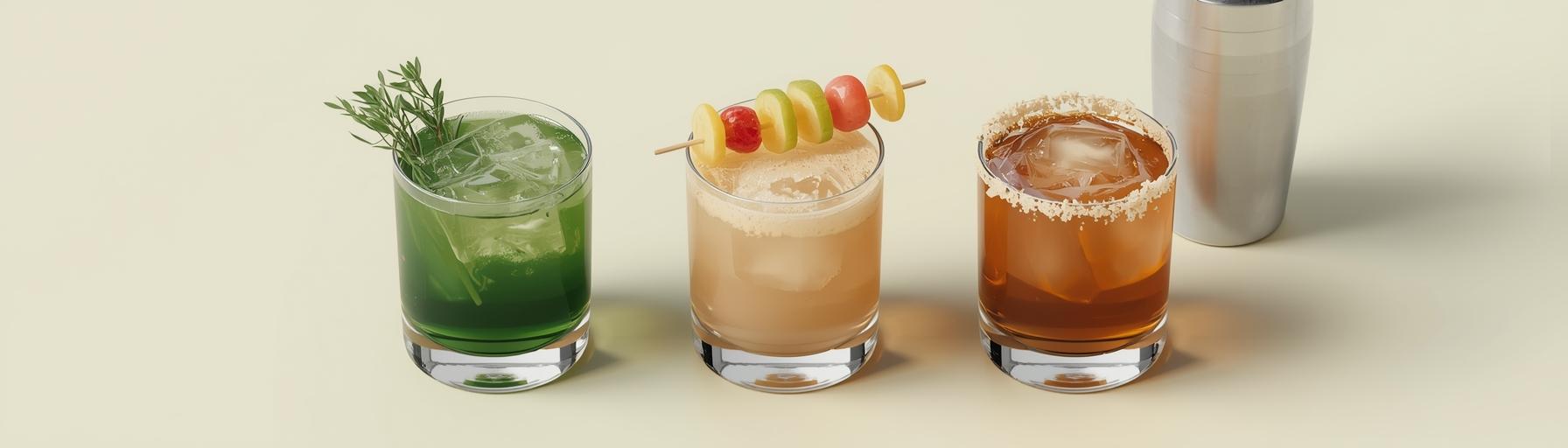
Fresh combinations of herbs, spices, and seasonal fruits create memorable mocktail recipes that rival classic cocktails for complexity. A simple drink can transform when texture, aroma, and color are orchestrated with care. When one element overwhelms, the experience falls flat, but a well-balanced glass draws attention at any gathering.
Balancing sweetness and acidity
A mocktail that tastes flat or cloying often misses the mark on balance. The interplay between sweetness and acidity shapes both first impressions and the lingering finish. Key factors that tip the balance include:
- Citrus juice ratio – more lemon or lime offsets syrupy bases
- Type of sweetener – honey, agave, and simple syrup each land differently
- Presence of fresh fruit – muddled berries or pineapple add both sugar and tartness
- Bitters or shrubs – a dash can cut through excessive sweetness
- Dilution from ice – longer shaking or stirring tempers intense flavors
A squeeze of citrus can rescue a drink that tastes too sugary. For a quick test, taste once with a straw, then after adding more acid, and compare the results.
Creative garnishes and presentation
A single dramatic garnish, like a spiral of citrus peel or a smoked sprig of rosemary, can turn an ordinary mocktail into a centerpiece. Visual cues signal freshness and attention to detail, setting expectations for flavor before the first sip. The steps below show how presentation elevates the experience:
- Select a clear glass to showcase layered colors or floating botanicals.
- Prepare a striking garnish, such as a wedge of fresh fruit, edible flowers, or a shaved ice dome.
- Apply the garnish with precision, placing it where it will contrast with the liquid and catch the eye.
- Add a secondary visual accent–such as a dusting of spice or a rim dipped in colored sugar–for an extra note.
- Serve immediately, ensuring the garnish remains crisp and vibrant.
One bold visual element per glass gives the drink a memorable signature. A garnish that wilts or sinks kills the effect, so use only the freshest ingredients.
Mocktails that stand out deliver harmony in flavor and a striking visual impression. Ingredient quality and thoughtful design define drinks that leave a lasting mark.
Common mistakes when making mocktails
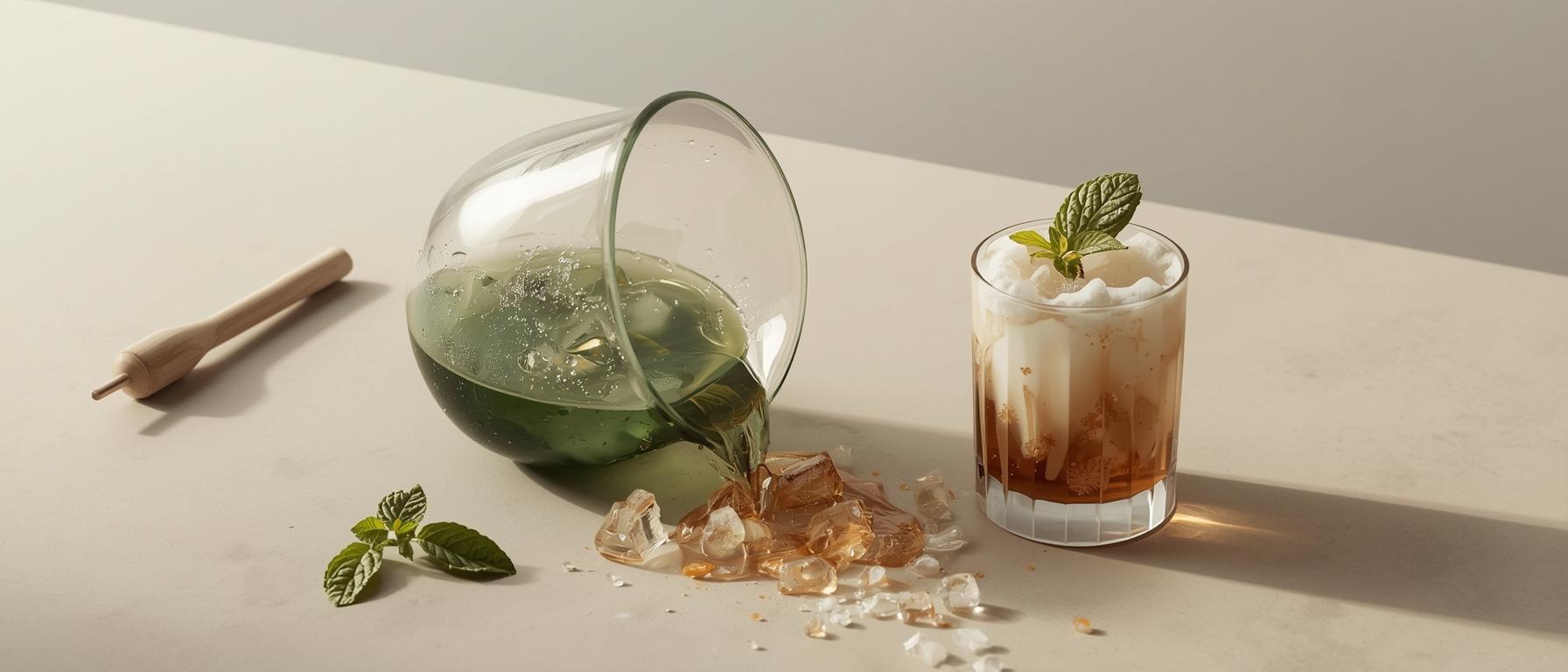
Too much syrup or juice drowns herbal or citrus notes, leaving a drink that tastes flat. Texture also suffers when every ingredient is liquid and lacks contrast.
A lemon and mint spritz with only soda and syrup tastes sugary, while muddled herbs or a splash of ginger beer adds complexity and depth. Fresh, crisp garnishes change the finish.
Balanced mocktails use acidity, spice, and texture to mimic the layered sensation of cocktails. Skipping these steps creates a drink that feels unfinished or cloying.
Leave a Comment